
Who’s getting the bite in Belarus? A new player enters the fish market
Buro has discovered that businessman Alexander Zaitsev has set up his own fish processing enterprise, ООО Lukomlski Konservnyi Zavod (Lukoml Cannery).
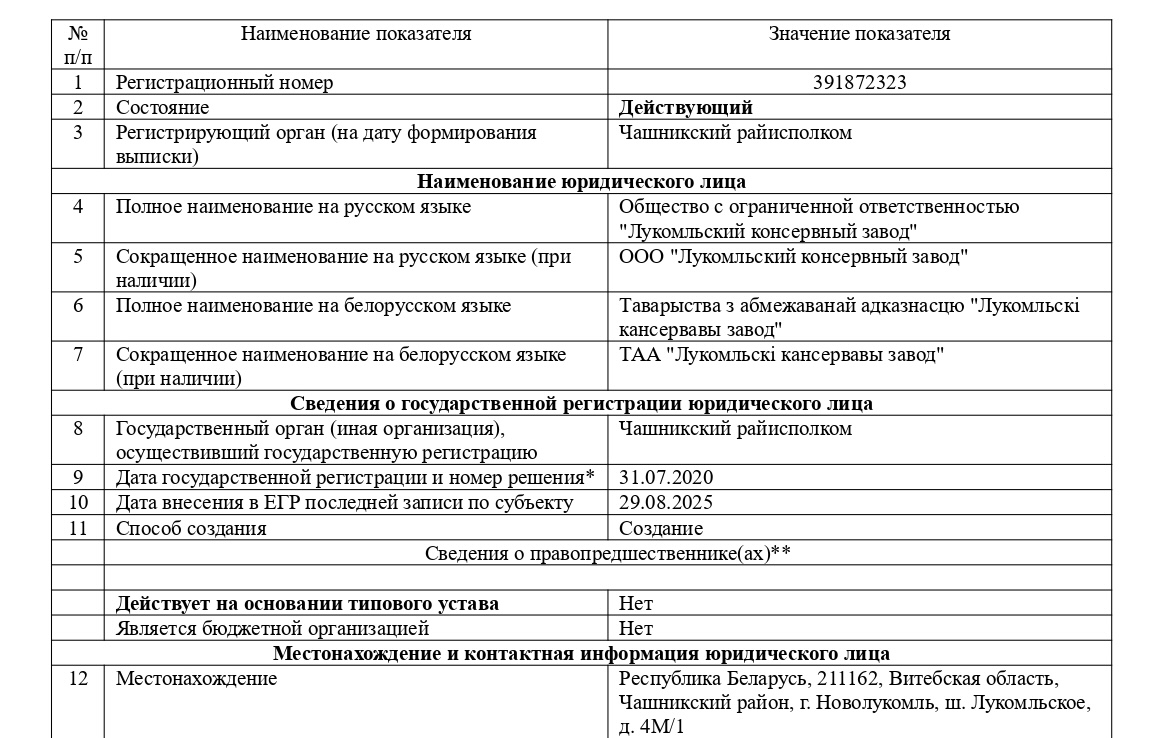
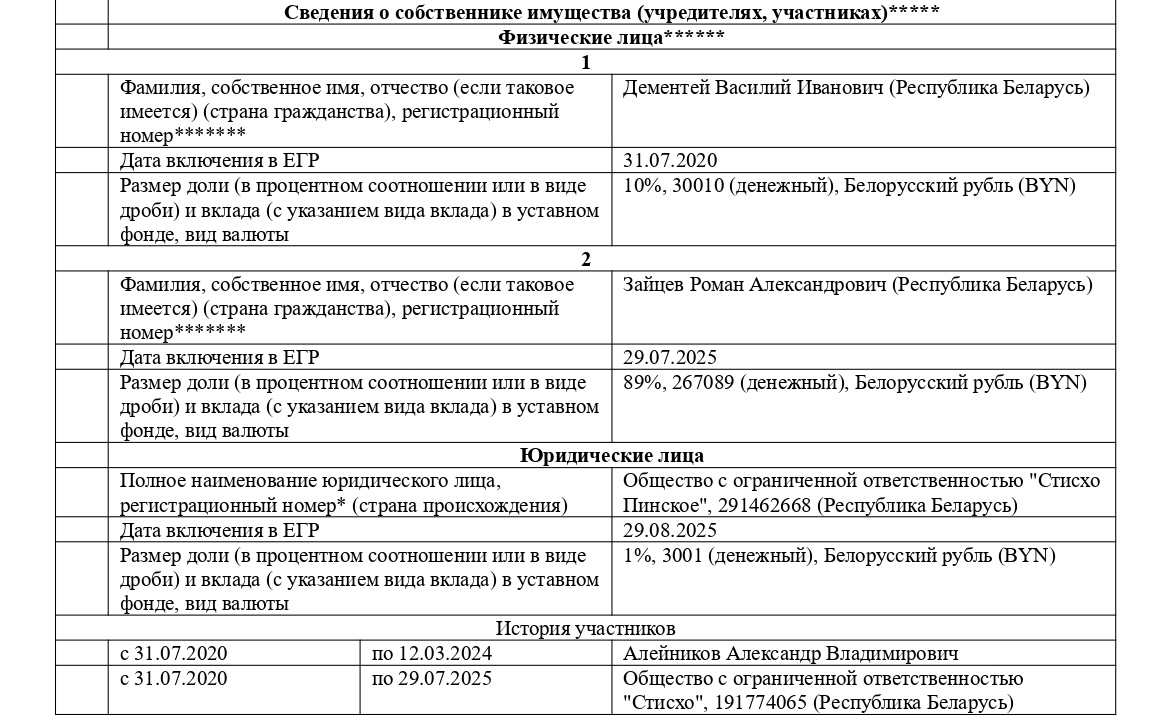
Zaitsev, known as Aleksandr Lukashenko’s “wallet”, has transferred 89% of the company to his 21-year-old son, Roman Zaitsev.
Vasil Dzemiantsei, the former deputy chairman of the KGB and the State Customs Committee, owns another 10%. Following the end of his career in security services, Dzemiantsei headed the Bremino Group, which is owned by Zaitsev Sr., Aliaksei Aleksin and Mikalai Varabei.
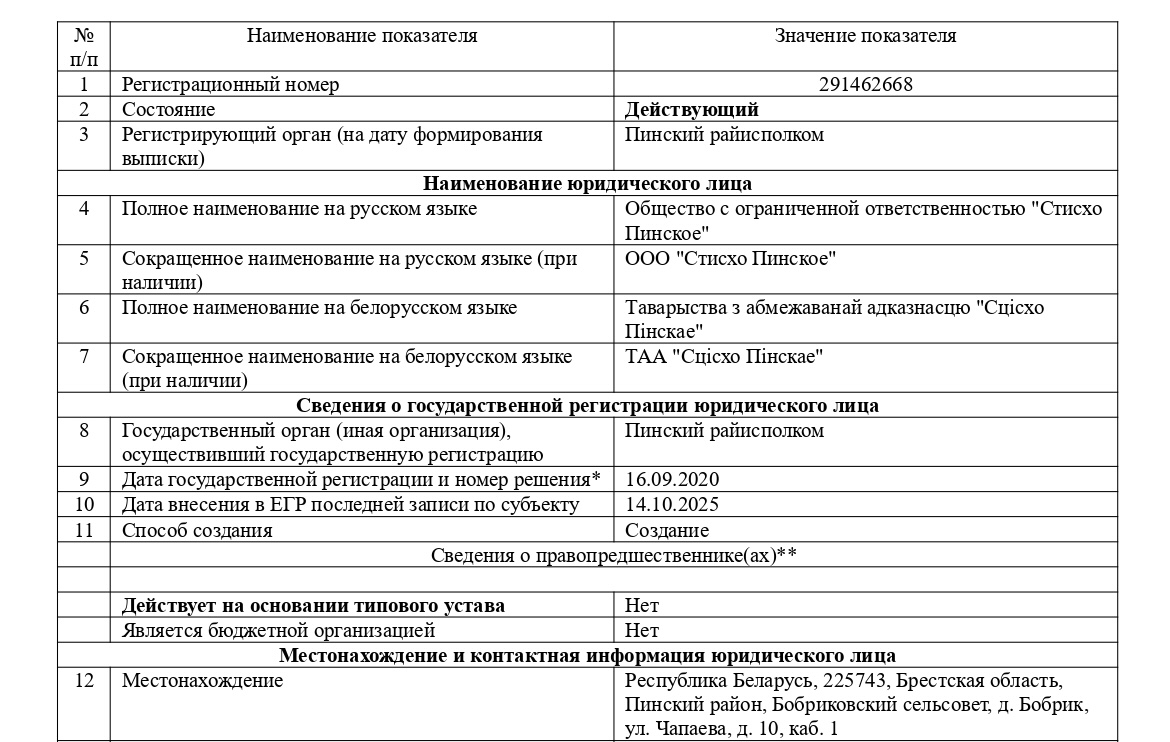
Another Zaitsev firm, Stiskho Pinskoye, owns a 1% stake in Lukoml Cannery.
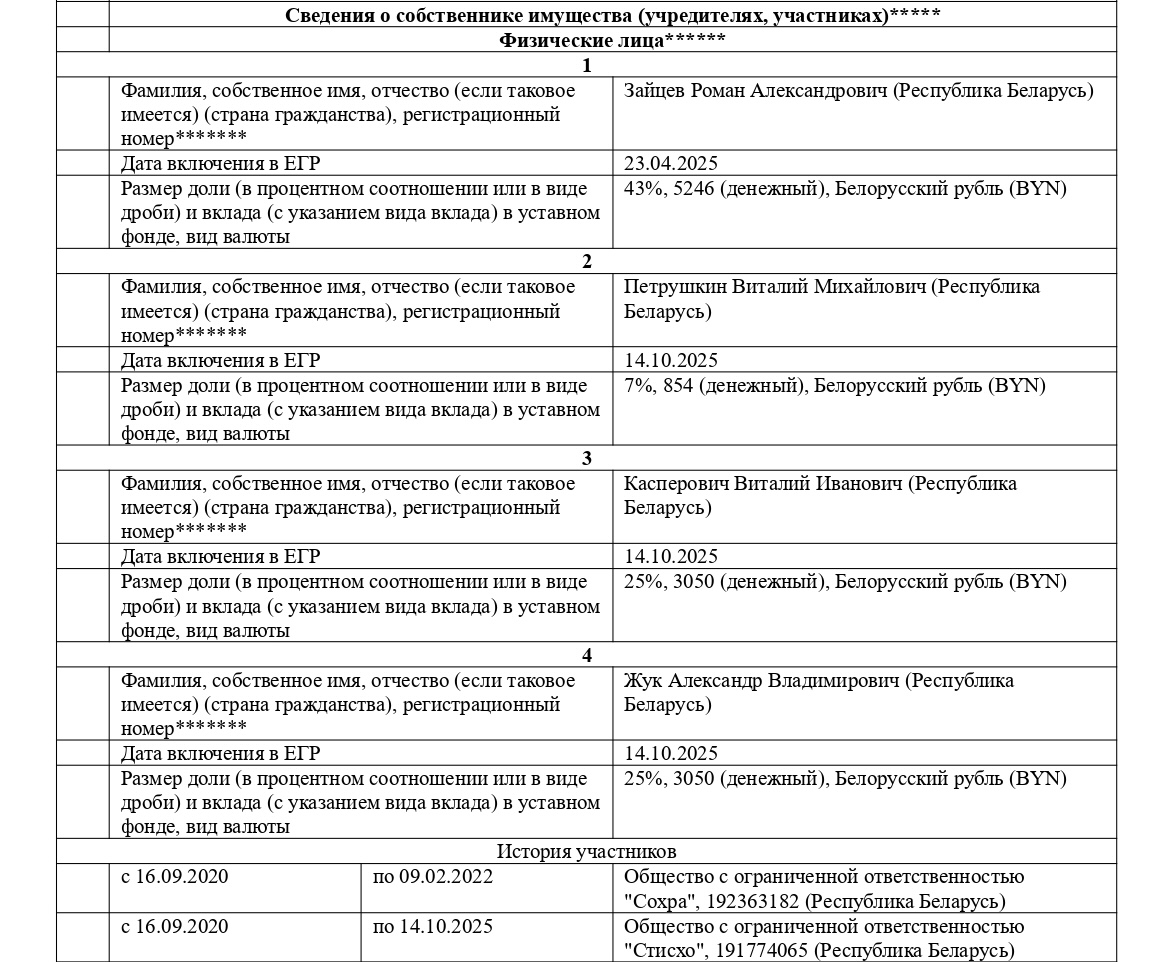
Stiskho Pinskoye is currently owned by Roman Zaitsev (43%) and three of his father’s managers: Vital Kaspiarovich (25%), Aliaksandr Zhuk (25%), and Vital Piatrushkin (7%).
Anatol Karostsin became the director of Lukoml Cannery. The Luka.Zone project states that he was head of the Lepel Inter-district Department of the KGB in the Vitsebsk Region. The Alliance of Investigators of Belarus has corroborated Karostsin’s alleged connection with the KGB. According to their information, he was registered at the Lepel Inter-district Department of the KGB’s tied apartment from 2016 to 2018.
Incidentally, Vasil Dzemiantsei started his career there in the 1980s.
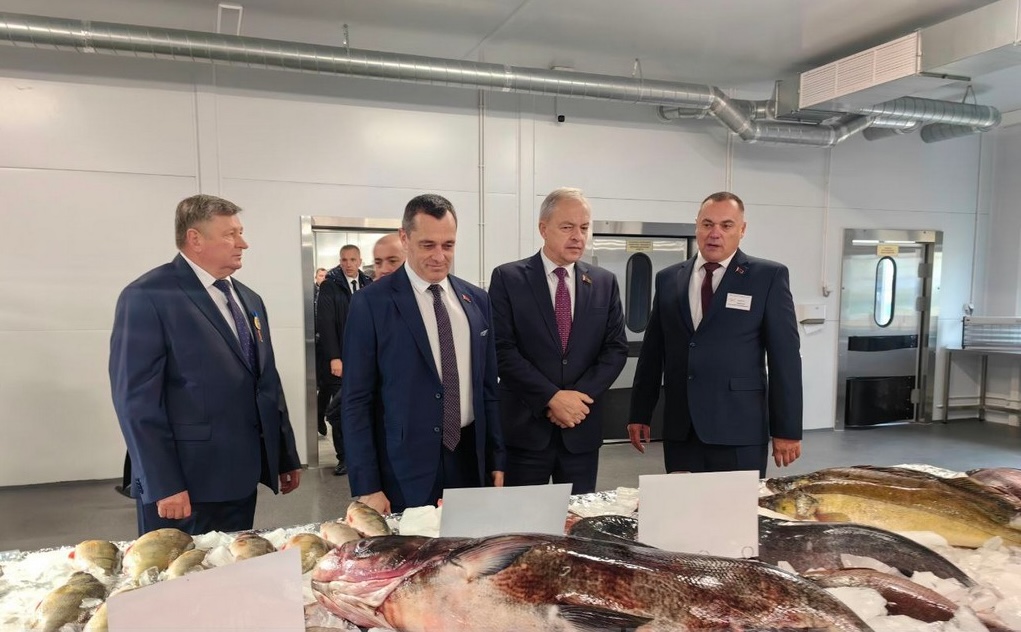
Vasil Dzemiantsei (on the far left) and Anatoly Korostin (on the far right) at the opening of the Lukoml Cannery. Source: vitbichi.by
The youngest town of Belarus, Novalukoml, is home to the Lukoml Cannery, which opened on October 4 in the Chashniki District. The company specialises in processing freshwater and saltwater fish and seafood.
The construction took place as part of the “One district – one project” public investment programme.
The final investment totalled over 18 million Belarusian rubles, equivalent to more than 5 million euros. Of this, 13.5 million Belarusian rubles (2.6 million euros) was a loan from Belagroprombank.
However, the state’s support does not end there. In addition to construction funds, the Lukoml Cannery was provided with a 2.8-hectare plot of land, a lease on Lake Lukomlskaye, and a 50-tonne freshwater fish quota. Its Russian partner, the Kamchatka firm Koryakmoreprodukt, will supply the plant with sea fish.
In addition to producing canned goods and preserves, Lukoml Cannery undertook the following obligations: stocking the lake, improving the area, and creating recreational facilities. Therefore, the plant has the opportunity to generate revenue through paid fishing services under the Lukomorye brand.